
Service Hotline : +86 17715265446

E-mail : yangf@cnguibao.com


GX-1160
SiLaneTMSilane coupling agent GX-1160
Part I: Technical specifications of chemicals
1. Chemical name:
3-ureopropyltriethoxysilane
2. Molecular formula:
(C2H5O)3SiC3H6 NHCONH2
3. Molecular structure:

4 、 CAS NO.:
23779-32-0
5. Corresponding brand:
A-1160
6. Application:
7, Typical Physical Properties
| Parameters |
Unit |
standard index |
| Appearance |
|
Colorless to slightly yellow transparent liquid |
| Color |
Pt-Co |
≤ 30 |
| Density |
(P 20 g/cm3) |
0.910~0.930 |
| Refractive rate |
(nD 25°C) |
1.380~1.390 |
| Purity |
% |
49.0~51.0 |
8. Application Information
9. Safety Information
This document does not include safety information required for the safe use of this product. Before operation, please read the product and its safety data sheet and the container label to obtain information about the safe use of the product and the hazards to body, environment and health.
10. Validity period and storage
Sealed and stored in a cool, dry and ventilated place, moisture-proof and waterproof, away from kindling, heat source and light source. Under the above conditions, the storage period is six months.
11. Packaging
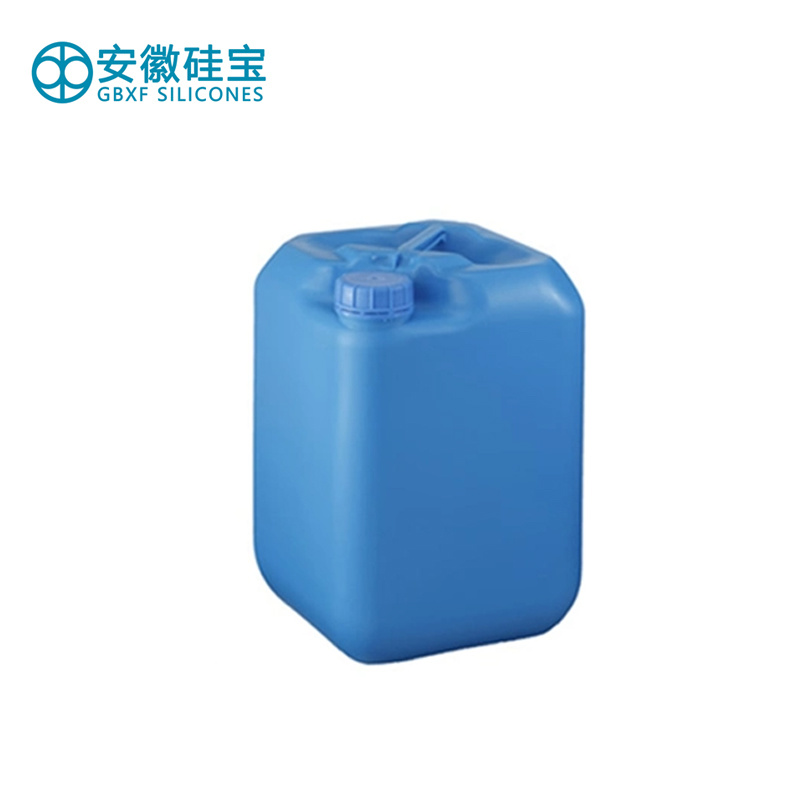
Finished products shall be packed in plastic drums, iron drums or iron-plastic drums, with net weight of 5Kg, 25Kg, 200Kg or 1000Kg per barrel. Special specifications shall be reserved.
12. Limited Warranty Information-Please Read Carefully
The information provided herein shall be deemed to be accurate on the basis of good faith. However, the conditions and methods of using our products are beyond our control. This information is not a substitute for customer testing to ensure that our products are safe, effective and fully satisfactory for a particular end use. This manual only describes the use of the product, and the actual application effect needs to be suitable for various application systems. The advice we provide shall not be considered as a cause of infringement of any patent rights.
Part II: Technical Specifications for Chemical Safety
Prepared in accordance with GB/T 16483 and GB/T 17519
1. Identification number of the substance
Product Details
Name of commodity: 3-ureopropyltriethoxysilane
English Name: Γ-Ureidopropyltriethoxysilane
Commodity Number:GX-1160
Manufacturer: Anhui Sibao Organic Silicon New Material Co., Ltd
Enterprise Address: Wujiang Town Fine Chemical Base, He County, Ma'anshan City, Anhui Province
Sales Phone:025-58494046
Fax:025-58742173
Emergency telephone:0555-5963308(8:30-17;00)
Website:www.gbxfsilicones.com
Version:2.0
First Edition Time: April 15, 2017
Revision time: May 24, 2021
Information on emergency response: Department of Environment, Health and Safety.
Product recommend and Restricted Use:Industrial use only.
2. Hazard Overview
Emergency Overview
| Appearance and Character | Liquid |
| Color | Colorless to pale yellow |
| Smell | Alcohol |
Flammable liquids and vapours. Inhalation can be toxic. Swallowing is toxic. Toxic in skin contact. Damage to organs.

3. Ingredient/composition information
| Chemical name |
Concentration range (GC) |
CAS No. |
| Methanol |
49.0~51.0% |
67-56-1 |
| 3-ureopropyltriethoxysilane |
49.0~51.0% |
23779-32-0 |
4. First-aid measures
Inhalation: Quickly leave the site and move to a place with fresh air. Keep the airway unobstructed. If breathing is difficult, give oxygen. Provide artificial respiration if needed. Ask a doctor if symptoms persist. Seek medical advice immediately.
Skin contactIn case of accidental contact, remove contaminated clothing and shoes and rinse skin with plenty of water. Seek medical advice right away. Wash clothes before reuse.
Eye contactIn case of contact, immediately flush eyes with plenty of water or saline for at least 15 minutes. Remove contact lenses if convenient and easy to operate. Continue cleaning. Then consult a doctor.
Ingestion: Rinse your mouth thoroughly with water. Give milk or egg whites. Don't induce vomiting. Call a detoxification center or doctor immediately.
Most Important Symptoms and Health EffectsThe evidence of methanol poisoning is visual impairment, metabolic acidosis, and combined reactions such as formic acid in urine. Treatment with intravenous ethanol (10 ml per hour) to preferentially oxidize and reduce the production of methanol metabolites. Acidosis must be treated with intravenous sodium bicarbonate. Said hemodialysis can be used to enhance the elimination of methanol. Treatment is based on the methanol content in the blood and the acid-base balance. Take folic acid to increase the metabolism of formaldehyde. Tetramethylpyrazole is recommended as an antidote: due to the inhibitory effect of alcohol dehydrogenase, formic acid production and the development of metabolic acidosis are reduced. However, the value of this antidote has yet to be proven in human trials.
Advice for Protecting Rescuers: Refer to Part 8 for personal protection.
Special tips for doctors: symptomatic adjuvant therapy.
5. Fire protection measures
Fire extinguishing method and extinguishing agent:Resistant to alcohol foam, carbon dioxide (CO2) or chemical dry powder.
Unsuitable extinguishing agent: Avoid using direct current water to extinguish the fire. Direct current water may cause splashing of combustible liquid and spread the fire.
particularly dangerousSteam is flammable and heavier than air. The vapor can travel along the ground and contact a distant ignition source, causing a fire hazard of backfire. The container and transfer equipment are grounded to eliminate static electricity. Exposure to combustion products may be hazardous to health.
harmful combustion productsCarbon oxides, nitrogen oxides, silicon dioxide.
special fire extinguishing method:
Appropriate fire extinguishing measures shall be adopted according to the situation and surrounding environment.
Spray water to cool unopened containers.
When safe, remove undamaged containers.
Evacuate the site.
Special Protective Equipment for Firefighters:
Wear self-contained breathing apparatus for fire fighting if necessary.
Use personal protective equipment.
6. Emergency measures for leakage
Personnel protective measures, protective equipment and emergency treatment procedures:
Environmental protection measures:
Avoid discharge into the surrounding environment.
If safety can be ensured, measures can be taken to prevent further leakage or spillage.
Methods of containment and removal of spilled chemicals and disposal materials used:
Absorbed with inert material.
In the case of large spills, containment or other appropriate leak-proof measures shall be taken to prevent material diffusion.
If the contained material can be pumped out, the recovered material shall be stored in a suitable container.
Remove residual spill material with a suitable absorbent.
Local or national regulations may apply to the release and disposal of such materials, as well as materials and articles used in cleaning up emissions. You need to determine the applicable regulations for yourself.
Parts 13 and 15 of this SDS give information about specific local or national requirements.
7. Operation, Disposal and Storage
Operation processing
Technical measures: See Engineering Controls in Section 8.
Local or general ventilation: Use only under adequate ventilation
Safety Handling Precautions:
Operate in accordance with good industrial hygiene and safety practices.
Storage
Arrange storage conditions:
Store in properly marked containers.
Store in accordance with specific national regulations.
Packaging Materials: Unsuitable materials: Not reported.
8. Exposure control and personal protection
Hazard composition and occupational exposure limits:
| Component Name |
CAS |
Standard Source |
Type |
Standard valuemg/m3 |
Remarks |
| 3-ureopropyltriethoxysilane |
23779-32-0 |
GBZ 2.1-209 |
MAC |
- |
Not specified |
| PC-TWA |
- |
||||
| PC-STEL |
- |
||||
| Methanol |
67-56-1 |
MAC |
- |
Not specified |
|
| PC-TWA |
25 |
||||
| PC-STEL |
50 |
Engineering Control:
Strengthen ventilation.
Personal protective equipment:
Respiratory system protection: Use respiratory protection unless adequate local exhaust ventilation or exposure assessment demonstrates that the exposure level is within the recommended exposure guidelines.
Filter TypeOrganic gases and low boiling point vapor type.
Eye surface protection: Use equipment tested and approved by official standards such as NIOSH (USA) or EN 166 (EU) to protect your eyes. Tightly fitted safety glasses.
Skin and body protection: Select appropriate protective clothing based on chemical resistance data and risk assessment of potential local exposure. Wear flame retardant anti-static protective clothing. Impervious protective clothing (gloves, aprons, boots, etc.) must be used to avoid skin contact.
Hand protectionRubber or plastic gloves.
Hygiene measures:
Make sure the eyewash and safety shower are located near the workplace.
When using, diet and smoking are strictly prohibited.
Contaminated clothes can be reused after washing.
The above precautions are only for room temperature operation, and additional precautions may be required for heat use or aerosol/spray application.
For further information on the use of silicones/organic oils in consumer product aerosols, please refer to the Silicone Industry Guidelines for the Use of Such Materials in Consumer Product Aerosol Applications (www.SEHSC.com).
9. Physical and chemical characteristics:
| Appearance and properties: liquid | Vapor pressure: no data available |
| Color: Colorless to light yellow | Vapor density: no data |
| Odor: Alcohol | Density/relative density: 0.920 |
| Odor threshold: no data available | Solubility |
| PH value: no data | Water Soluble: Soluble |
| Melting point/freezing point: no data | n-Octanol/water partition coefficient: No data available |
| Initial boiling point and boiling range: no data available | Self-ignition temperature: no data |
| Flash point:<20 ℃ (closed cup) | Decomposition temperature: no data |
| Evaporation rate: no data | Kinematic viscosity: no data |
| Flammability (solid, gas): Not applicable | Explosive characteristics: non-explosive |
| Upper explosion limit: no data | Oxidizing: No data available |
| Lower explosive limit: no data |
10, Stability and Reactivity
Reactivity: Not classified as a reactive hazard
StabilityStable under normal conditions.
Hazardous reactionNormal processing does not occur.
Conditions to be avoided: Electrostatic discharge, heat, sparks, etc.
ForbiddenInorganic halide, strong oxidant.
Dangerous decomposition products
thermal decompositionOxides of carbon, oxides of nitrogen, SiO2
11, Toxicological Information
Pathway of exposureInhalation, skin contact, ingestion, eye contact
acute toxicity:No data available.
Skin corrosion/irritation:No data available.
Severe eye damage/eye irritation:No data available.
Respiratory or skin allergies:No data available.
germ cell mutagenicity:No data available.
Carcinogenicity: No data.
reproductive toxicity: No data.
Specific Target Organ Systemic Toxicity-One Exposure: No data.
Specific target organ systemic toxicity-repeated exposure: No data.
Inhalation hazard: No data.
12, Ecological Information
Ecotoxicity:
13. Disposal
Disposal method
Residual waste: Handle according to local regulations.
Contaminated packaging: Empty containers should be sent to a permitted waste disposal site for recycling or disposal.
14. Transportation Information
International regulations
Land transportation (UNRTDG):
Air (IATA-DGR):
Sea (IMDG-Code):
15. Regulatory Information
Applicable regulations
List information of product ingredients in the following list:
the People's Republic of China occupational disease prevention law:
16 Other Information
Further information
References: Internal technical data, data from raw materials SDS\OECD eChem portal search results, as well as the European Chemicals Agency, http://echa.europa.eu/
Version:2.0
First Edition Time: April 15, 2017
Revision time: May 24, 2021
Reason for revision: SDS standardized management
To the best of our knowledge and belief, the information provided in this SDS as of the date of publication is accurate. This information is intended only as a guide for safe operation, use, processing, storage, transportation, disposal and distribution and does not represent a warranty or quality statement of any kind. Except as specified in the text, the information provided in this table relates only to the specific materials identified at the top of this SDS, and the information in this table will not be valid when the materials in the SDS are mixed with any other materials or used in any process. The user of the material should review information and recommendations related to the operation, use, processing and storage methods required in the specific environment, including the suitability assessment of the user's final product SDS material (if used)
Previous
Next
Previous
GX-910
Next
Service Hotline:
Sales Hotline:
E-mail :
WhatsApp :
Skype:
Quick Navigation
Online Message
If you have any product related questions, please feel free to contact us!
Copyright © 2024 GBXF Silicones Co., Ltd. All Rights Reserved. Business license
