
Service Hotline : +86 17715265446

E-mail : yangf@cnguibao.com


NEWS CENTER
A Comprehensive Guide to Glass Fibers and Silane Coupling Agents
Release time:
2026-03-24
Have you ever wondered that when you look up at the huge wind turbine blades, take the subway for your daily commute, drive an electric vehicle through the city, go fishing with a fishing rod on the weekend, or simply look down at your mobile phone - behind all these daily scenes, there is a magical material: glass fiber. It has quietly permeated into every corner of our lives.
Today, let's talk about this "structural material" of modern industry.
What is glass fiber?

Glass fiber is an inorganic non-metallic fiber material made from natural minerals (such as quartz sand, limestone, etc.) as the main raw material, through processes such as high-temperature melting, drawing, and blowing.
It is thinner than a hair strand, yet its strength is no less than that of steel. With its outstanding properties such as light weight, high strength, corrosion resistance, insulation, and mechanical strength, it has become an indispensable basic material in fields like transportation, electronics and electrical engineering, construction and building materials, energy and environmental protection.
Application in the glass fiber industry
Transportation and Travel:
The front air dams, seats and interior panels of subways and high-speed trains are mostly made of glass fiber composite materials. The battery boxes and body components of new energy vehicles also cannot do without it. It helps the vehicles maintain strength while reducing their weight and improving their range.
Building furniture:
In the bathroom at home, glass fiber can be seen everywhere. Bathtubs, shower rooms, waterproof bases - many of these are made of glass fiber reinforced plastic. They are waterproof, mold-resistant, and are one-piece without any seams. The plastic steel doors and windows are also reinforced with glass fiber, making them more sturdy and durable.
Energy and Environmental Protection:
The huge blades of wind turbines are mainly made of glass fiber composite materials. They need to be light enough to be pushed by the wind and strong enough to withstand strong winds. Glass fibers perfectly meet these contradictory requirements.
Sports and Leisure:
Golf clubs, fishing rods, snowboards, tennis rackets, bicycle frames... Together with glass fiber and carbon fiber, these materials make sports equipment lighter and stronger.
Electrical Appliances:
Open your mobile phone or computer. The core material of the internal circuit board is copper-clad laminate, and the basic material is glass fiber cloth. It provides mechanical support and electrical insulation, ensuring the stable operation of electronic components.
Electric meter boxes, switch boxes, and lamp housings are also made of glass fiber reinforced plastic - they are insulating and flame-retardant, silently safeguarding our electricity usage safety.
Silane Coupling Agents unlocks the code of glass fibers
Although glass fibers are strong, they have a drawback. They are inorganic materials, while the resin they need to be reinforced is organic. When the unprocessed glass fibers are combined with the resin, the interface bonding strength is weak. Under force, they are likely to detach from the interface, and essentially it is difficult to truly form an effective interface layer.
The emergence of silane coupling agents has perfectly solved this problem. Silane coupling agents are a type of molecule that contains both organic and inorganic functional groups. Their general formula is R-SiX₃.
The X group (such as methoxy, ethoxy, etc.): can be hydrolyzed to form silanol (Si-OH), and react with the hydroxyl groups on the surface of glass fibers to form covalent bonds.
The R group (such as amino, epoxy, vinyl, etc.): reacts with organic resins or has a high affinity.
Through this dual effect of "grabbing glass fibers on one hand and resin on the other", the silane coupling agent builds a stable "molecular bridge" between the two, enabling the glass fibers and the resin to form a single entity. When subjected to force, they can jointly bear the load.
Selection of silane coupling agents
The selection of silane coupling agents should be based on the determination of the organic functional groups of the resin system. The following are the most commonly used silane varieties in the fiberglass industry and their corresponding brand names.
In practical applications, the selection of specific models needs to be matched with the surface characteristics of the glass fiber, the resin curing process, and the performance requirements of the final product. GBXF SILICONES can provide customized samples and technical support according to customer needs.
What changes does it bring?
Significant improvement in mechanical properties:
The silane coupling agent forms a strong chemical bond between the glass fiber and the resin, facilitating more efficient stress transmission. As a result, the composite material can withstand greater stress without failure, and its impact resistance and bending resistance are significantly enhanced.
Improvement in resistance to heat and humidity aging:
The interface between untreated glass fibers and resin has gaps, allowing water molecules to penetrate and causing performance degradation. After the interface is bonded with silane coupling agent, it can prevent water and other environmental factors from invading the composite material structure, avoiding delamination or interface detachment. This enables the composite material to maintain its performance even in humid environments and under outdoor exposure, significantly extending its service life.
Improvement in processing performance:
After being treated with silane coupling agent, the surface of glass fibers becomes hydrophobic instead of hydrophilic. During the manufacturing process, it has better dispersion and wetting properties. There are no bubbles or dry spots inside the product, and the surface is smooth and flat, with more stable quality.
At present, silane coupling agents have become one of the mainstream surface treatment agents in the fiberglass industry due to their high efficiency, stability and multi-functionality.
It has greatly expanded the application boundaries of glass fiber composite materials, enabling glass fiber reinforced composite materials to still perform well in complex environments, truly achieving the performance advantage of "1 + 1 > 2".
GBXF SILICONES Silane Coupling Agents
It has been widely adopted by the industry.
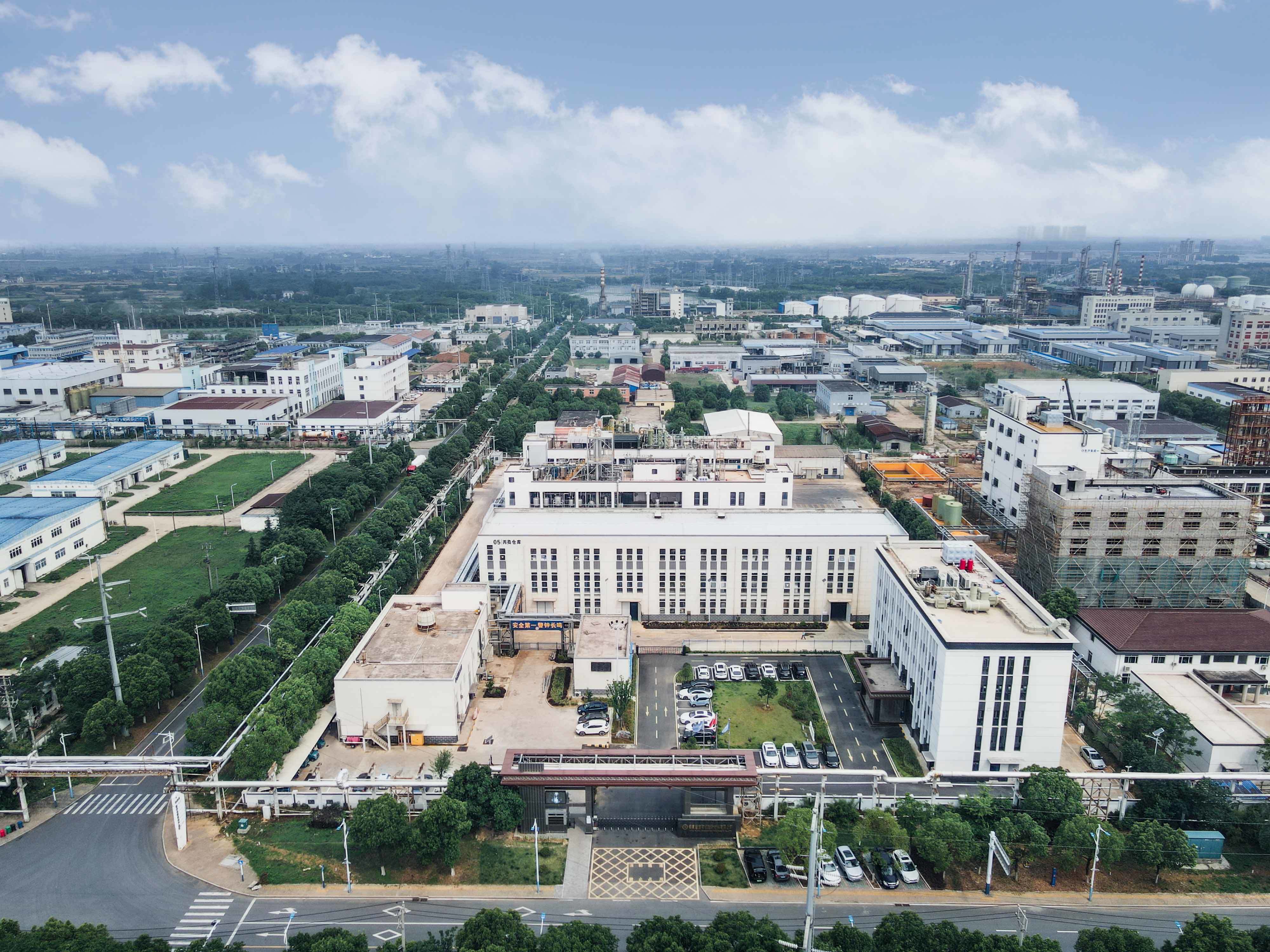
GBXF SILICONES Silane Coupling AgentsMa'anshan County Production Base
As a leading player in the field of organosilicon, GBXF SILICONES, relying on the national-level innovation platforms such as the National Enterprise Technology Center of Siliconbao Technology Co., Ltd., has been deeply engaged in the research and development of the silane coupling agent industry chain. The company's main products, including amino type, acyloxy type, vinyl type and epoxy type silane coupling agents, have maintained good cooperative relationships with the leading domestic glass fiber enterprises.
Among them, the silicon-based products such as GX-570 and GX-792 independently developed by GBXF SILICONES, with their high purity, excellent interface modification performance and stable product quality, have gained wide recognition in the field of glass fiber surface treatment. Currently, 20% of the company's production capacity is dedicated to the glass fiber sector, providing sufficient guarantee for industry demands.
Related News
Service Hotline:
Sales Hotline:
E-mail :
WhatsApp :
Skype:
Quick Navigation
Online Message
If you have any product related questions, please feel free to contact us!
Copyright © 2024 GBXF Silicones Co., Ltd. All Rights Reserved. Business license
